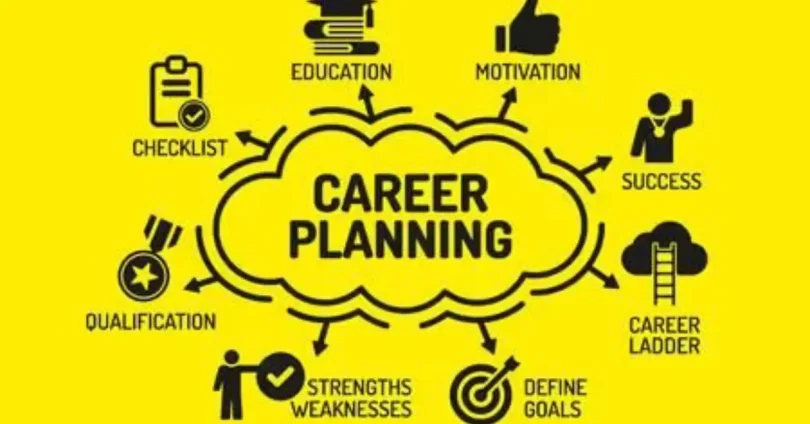

Career success rarely happens by chance. Most successful professionals achieve their goals through careful planning, continuous learning, and smart decision-making. Following effective career planning tips can help students, graduates, and professionals create a clear roadmap toward their desired future.
Many people struggle with career decisions because they lack direction or fail to evaluate their strengths and interests. A structured approach allows individuals to identify opportunities, develop relevant skills, and prepare for future challenges. Whether you are choosing your first career, changing professions, or seeking advancement, the right career planning tips can help you make informed decisions.
This guide explores practical strategies for career planning, goal setting, skill development, and long-term professional growth.
What Is Career Planning?
Career planning is the process of identifying career goals and creating a strategy to achieve them.
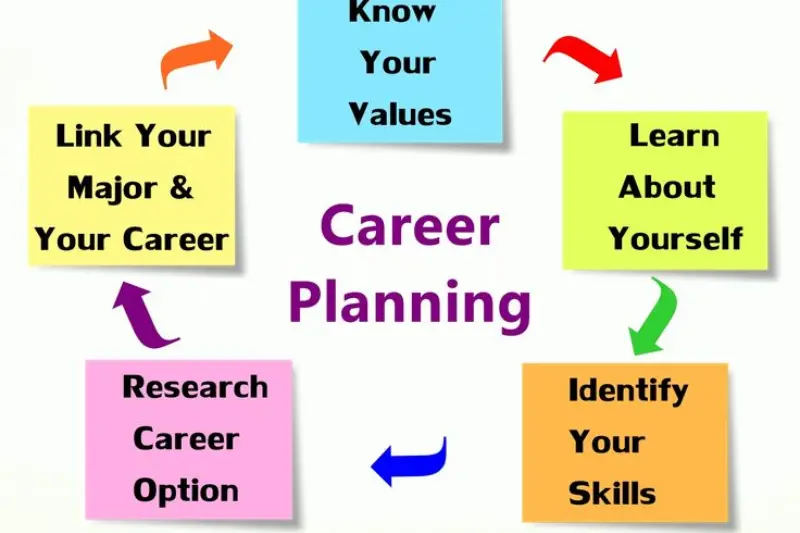
Main Objectives of Career Planning
- Understand personal interests
- Identify strengths and weaknesses
- Set career goals
- Develop required skills
- Achieve professional growth
Effective planning helps individuals move toward a rewarding and successful career.
Why Career Planning Is Important
A clear plan provides direction and purpose.
Benefits of Career Planning
Better Decision-Making
Individuals can make informed career choices.
Increased Confidence
Clear goals reduce uncertainty.
Improved Skill Development
Learning efforts become more focused.
Greater Career Satisfaction
People are more likely to enjoy careers aligned with their interests.
These advantages make career planning tips valuable for anyone seeking professional success.
Understand Your Interests
The first step in career planning is understanding what you enjoy.
Questions to Ask Yourself
- Which subjects interest me most?
- What activities do I enjoy?
- What type of work environment suits me?
- What motivates me to perform well?
Career choices based on genuine interests often lead to higher job satisfaction.
Identify Your Strengths and Weaknesses
Self-assessment is a critical part of planning.
Common Strength Areas
Communication Skills
Useful in teaching, management, and public relations.
Analytical Skills
Valuable in finance, engineering, and research.
Leadership Abilities
Important for management and administrative roles.
Creativity
Helpful in design, media, and marketing careers.
Understanding strengths allows individuals to choose suitable career paths.
Set Clear Career Goals
Goal setting is one of the most important career planning tips.

Types of Career Goals
Short-Term Goals
Objectives achievable within one year.
Medium-Term Goals
Targets that may take two to five years.
Long-Term Goals
Major achievements planned over several years.
Well-defined goals provide motivation and direction.
Research Career Options
Knowledge about different professions helps in making informed decisions.
Areas to Explore
Job Responsibilities
Understand daily work activities.
Required Qualifications
Learn educational requirements.
Salary Expectations
Research earning potential.
Growth Opportunities
Evaluate future career prospects.
Thorough research reduces the risk of choosing an unsuitable profession.
Develop Essential Skills
Career success depends on both technical and soft skills.
Important Skills
Communication
Strong verbal and written communication improves professional performance.
Time Management
Efficient use of time increases productivity.
Problem Solving
Employers value analytical thinking abilities.
Teamwork
Collaboration is important in most workplaces.
Skill development is a key part of effective career planning tips.
Create a Career Roadmap
A roadmap helps organize career goals.
Components of a Career Roadmap
- Educational goals
- Skill development plans
- Professional certifications
- Work experience objectives
- Networking activities
A structured roadmap improves focus and accountability.
Focus on Education
Education remains the foundation of many careers.
Strategies for Educational Success
Choose Relevant Subjects
Select courses aligned with career goals.
Maintain Academic Performance
Strong grades improve opportunities.
Continue Learning
Lifelong learning supports career growth.
Educational achievement often opens doors to better opportunities.
Gain Practical Experience
Practical experience complements theoretical knowledge.
Ways to Gain Experience
Internships
Provide industry exposure.
Volunteer Work
Develop skills and professional connections.
Freelancing
Build practical expertise.
Projects
Demonstrate abilities to potential employers.
Experience improves employability and confidence.
Build a Professional Network
Networking can create valuable career opportunities.
Benefits of Networking
Access to Information
Learn about industry trends.
Job Opportunities
Professional contacts may share openings.
Career Advice
Experienced professionals provide guidance.
Networking should be part of every career development strategy.
Improve Your Resume
A strong resume increases employment opportunities.
Key Elements
Education
Highlight academic achievements.
Skills
Show relevant competencies.
Experience
Include internships and projects.
Certifications
Demonstrate professional development.
A well-prepared resume supports career advancement.
Stay Updated With Industry Trends
Industries constantly evolve.
Why Staying Updated Matters
- New technologies emerge
- Market demands change
- New career opportunities appear
Following industry developments helps maintain competitiveness.
Learn Time Management
Time management improves productivity and work-life balance.
Effective Strategies
Prioritize Tasks
Focus on important activities first.
Set Deadlines
Establish realistic completion dates.
Avoid Procrastination
Complete tasks promptly.
Good time management supports career growth.
Develop Leadership Skills
Leadership abilities are valuable at every career stage.
Ways to Improve Leadership
- Take initiative
- Manage responsibilities
- Improve decision-making
- Support team members
Leadership development often leads to advancement opportunities.
Embrace Continuous Learning
Learning should not stop after formal education.
Learning Opportunities
Online Courses
Develop new skills.
Professional Certifications
Enhance qualifications.
Workshops
Gain practical knowledge.
Continuous learning is among the most effective career planning tips for long-term success.
You may also like these posts:
Study Notes for Students to Improve Learning Skills
PDF Study Notes Download for Easy Exam Preparation
Free Study Materials Online for Better Learning
Learning Materials for Exams to Boost Academic Success
Prepare for Career Challenges
Every career includes obstacles.
Common Challenges
Job Competition
Stand out through skills and experience.
Changing Technologies
Adapt to new developments.
Workplace Pressure
Develop resilience and problem-solving abilities.
Preparation improves the ability to overcome challenges.
Common Career Planning Mistakes
Avoiding mistakes can save time and effort.
Mistakes to Avoid
Following Others Blindly
Choose a path based on your own goals.
Ignoring Research
Understand career requirements before committing.
Neglecting Skill Development
Skills are essential for professional growth.
Lack of Goal Setting
Without goals, progress becomes difficult to measure.
Awareness of these mistakes improves career decisions.
Future Career Trends
The job market continues to evolve.
Growing Career Fields
Artificial Intelligence
Demand continues to increase.
Data Science
Organizations rely on data-driven decisions.
Cybersecurity
Digital protection remains critical.
Renewable Energy
Sustainability-focused careers are expanding.
Considering future trends can improve career planning decisions.
Frequently Asked Questions
Why is career planning important?
Career planning helps individuals set goals, make informed decisions, and prepare for long-term professional success.
When should students start career planning?
Students should begin exploring career options during their school years to make informed educational and professional choices.
What skills are most important for career success?
Communication, problem-solving, leadership, teamwork, and time management are among the most valuable skills.
How can I choose the right career?
Evaluate your interests, strengths, goals, educational background, and market opportunities before making a decision.
Can career planning improve job opportunities?
Yes, effective career planning helps individuals develop relevant skills, gain experience, and prepare for future opportunities.
Conclusion
Following effective career planning tips can help individuals build a successful and fulfilling professional future. Understanding personal interests, identifying strengths, setting clear goals, developing skills, gaining experience, and staying informed about industry trends are all essential steps in the career planning process.
Career success is not achieved overnight. It requires dedication, preparation, and continuous improvement. By applying these career planning tips, students and professionals can make informed decisions, seize opportunities, and achieve long-term career growth.