
Choosing the right career is one of the most important decisions in a student’s life. A well-planned career path can lead to professional success, financial stability, and personal satisfaction. However, many students feel confused when selecting a career because they are unsure about their interests, strengths, and future opportunities. This is where career guidance for students becomes essential.
Proper career guidance helps students understand their abilities, explore career options, and make informed decisions about education and employment. Whether a student is in school, college, or preparing for competitive examinations, having a clear direction can significantly improve future prospects.
This guide explains the importance of career guidance for students, career planning strategies, skill development, and practical steps to build a successful future.
What Is Career Guidance?
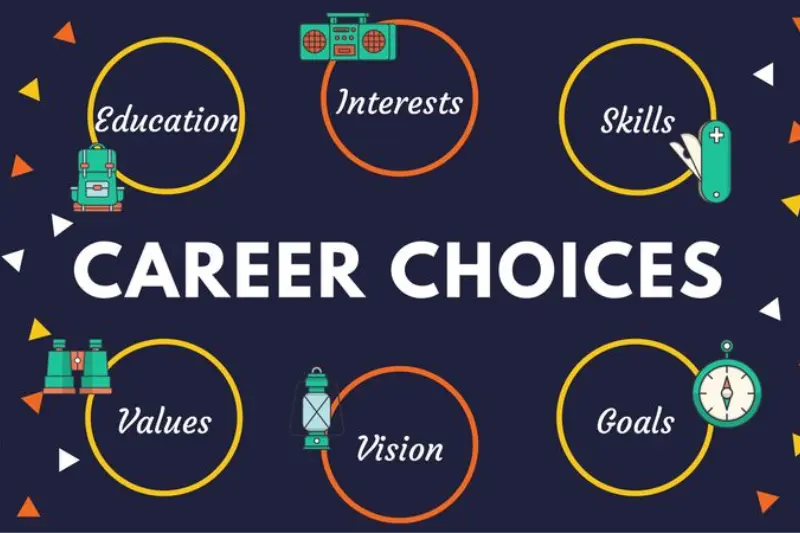
Career guidance is the process of helping students identify suitable career paths based on their interests, skills, education, and goals.
Main Objectives
- Identify strengths and weaknesses
- Explore career opportunities
- Develop essential skills
- Make informed decisions
- Plan long-term career goals
Career guidance helps students move toward a rewarding and fulfilling profession.
Why Career Guidance for Students Is Important
Many students choose careers without proper research or understanding.
Benefits of Career Guidance
Better Decision Making
Students can select careers that match their interests and abilities.
Increased Confidence
Clear goals reduce uncertainty about the future.
Improved Academic Focus
Students understand which subjects are important for their chosen career.
Long-Term Success
Proper planning increases the chances of professional achievement.
These benefits make career guidance for students an important part of educational development.
Understanding Your Interests
Interests often influence career satisfaction.
Questions to Ask Yourself
- What subjects do I enjoy studying?
- What activities excite me?
- What type of work environment do I prefer?
- What motivates me to perform well?
Understanding personal interests helps narrow career choices.
Identifying Strengths and Weaknesses
Every student has unique abilities.
Common Strength Areas
Communication Skills
Suitable for teaching, journalism, and public relations.
Analytical Skills
Useful in engineering, finance, and research.
Creativity
Important for design, media, and content creation.
Leadership Skills
Helpful in management and administration.
Self-assessment is a key component of career guidance for students.
You may also like these posts:
Study Notes for Students to Improve Learning Skills
PDF Study Notes Download for Easy Exam Preparation
Free Study Materials Online for Better Learning
Learning Materials for Exams to Boost Academic Success
Importance of Career Planning
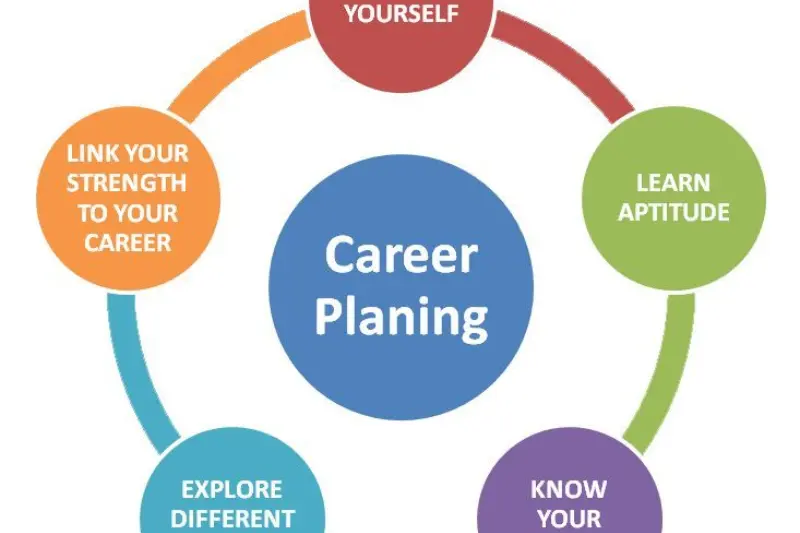
A career plan provides direction and purpose.
Benefits of Planning
Goal Setting
Students can define clear objectives.
Better Preparation
Career requirements become easier to understand.
Reduced Confusion
Planning minimizes uncertainty.
Improved Motivation
Goals encourage consistent effort.
Students who plan early often make better career decisions.
Popular Career Options for Students
Modern education offers a wide variety of opportunities.
Medical Careers
Examples include:
- Doctor
- Dentist
- Pharmacist
- Physiotherapist
Medical professions require strong science backgrounds.
Engineering Careers
Popular fields include:
- Civil Engineering
- Electrical Engineering
- Mechanical Engineering
- Software Engineering
Engineering focuses on problem-solving and innovation.
Information Technology Careers
Technology careers continue growing rapidly.
Common Options
- Software Developer
- Data Analyst
- Cybersecurity Specialist
- Web Developer
IT professionals are in high demand globally.
Business and Finance Careers
Business-related careers offer diverse opportunities.
Examples
- Accountant
- Financial Analyst
- Banker
- Entrepreneur
Strong analytical and management skills are valuable in this field.
Government Careers
Many students aspire to secure government positions.
Popular Government Fields
- Civil Services
- Police Services
- Teaching
- Administrative Positions
Government jobs often provide stability and career growth.
Education and Teaching Careers
Teaching remains a respected profession.
Career Options
- School Teacher
- Lecturer
- Professor
- Educational Consultant
Teaching allows individuals to contribute to society through knowledge sharing.
Creative and Media Careers
Students with creative interests may consider media-related professions.
Career Opportunities
- Graphic Designer
- Writer
- Journalist
- Video Editor
- Content Creator
Creative industries continue expanding with digital technology.
Importance of Skill Development
Academic qualifications alone may not guarantee success.
Essential Skills for Students
Communication Skills
Improve speaking and writing abilities.
Critical Thinking
Develop problem-solving capabilities.
Time Management
Increase productivity.
Teamwork
Enhance collaboration skills.
Skill development is a major part of effective career guidance for students.
Role of Technology in Career Development
Technology has transformed career opportunities.
Benefits
Online Learning
Students can develop new skills.
Remote Work Opportunities
Work from different locations.
Digital Careers
New professions continue emerging.
Students should stay informed about technological trends.
Choosing the Right Educational Path
Education should align with career goals.
Factors to Consider
Interests
Choose subjects you enjoy.
Job Opportunities
Research market demand.
Future Growth
Consider long-term prospects.
Personal Goals
Align education with life objectives.
Thoughtful decisions improve career outcomes.
Common Career Planning Mistakes
Many students make avoidable errors.
Mistakes to Avoid
Following Others Blindly
Choose based on your own interests.
Ignoring Research
Understand career requirements thoroughly.
Neglecting Skill Development
Practical skills are essential.
Lack of Long-Term Planning
Future goals should guide decisions.
Avoiding these mistakes improves career success.
Building a Strong Career Foundation
Focus on Education
Maintain strong academic performance.
Develop Skills
Learn both technical and soft skills.
Gain Experience
Participate in internships and projects.
Stay Updated
Follow industry developments.
These habits support successful career growth.
Importance of Mentorship
Guidance from experienced individuals can be valuable.
Benefits
- Practical advice
- Career insights
- Motivation
- Professional networking
Mentors can help students make informed decisions.
Career Guidance for Students in Competitive Exams
Many students prepare for competitive examinations.
Important Areas
- Understanding exam requirements
- Selecting appropriate study materials
- Developing study plans
- Practicing regularly
Competitive exam preparation should align with career objectives.
Future Career Trends
The job market continues evolving.
Emerging Fields
Artificial Intelligence
Growing demand for AI professionals.
Data Science
Organizations increasingly rely on data analysis.
Cybersecurity
Digital security remains a priority.
Renewable Energy
Sustainability-focused careers are expanding.
Students should monitor future trends while planning careers.
Frequently Asked Questions
Why is career guidance important for students?
Career guidance helps students understand their strengths, explore opportunities, and make informed decisions about their future.
When should students start career planning?
Students should begin exploring career options during their school years to make informed educational choices.
How can students identify the right career?
By assessing interests, strengths, goals, and researching different professions.
What skills are most important for career success?
Communication, problem-solving, teamwork, adaptability, and time management are highly valuable skills.
Can career guidance improve academic performance?
Yes, students often become more focused and motivated when they understand how education connects to their future career goals.
Conclusion
Effective career guidance for students helps individuals identify their strengths, explore opportunities, and make informed decisions about their future. Career planning involves understanding interests, developing skills, researching professions, and setting long-term goals.
Students who take a proactive approach to career development often enjoy greater confidence, stronger academic performance, and better professional outcomes. By investing time in career exploration and personal growth, students can build a successful and rewarding future.