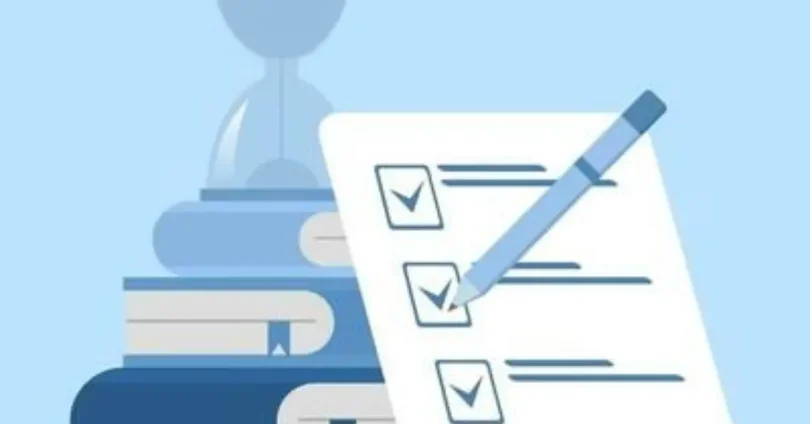

Examinations are an important part of academic life, and proper preparation is essential for achieving good results. While hard work and dedication matter, the quality of study resources used during preparation can significantly influence performance. Choosing the right learning materials for exams helps students understand concepts better, revise efficiently, and build confidence before test day.
Many students struggle because they rely on a single source of information or use unorganized study methods. Effective exam preparation requires a combination of notes, textbooks, practice questions, mock tests, and revision materials that support different learning needs.
This guide explores the most valuable learning materials for exams, how they help students succeed, and strategies for using them effectively.
What Are Learning Materials for Exams?
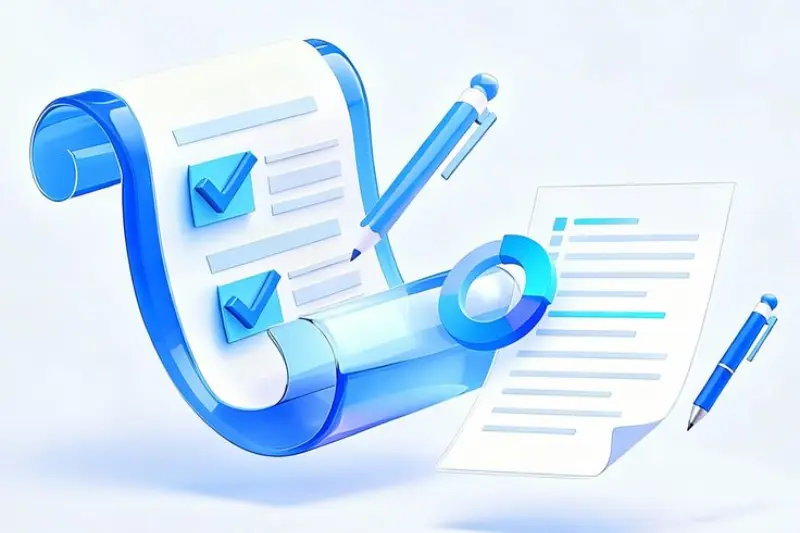
Learning materials for exams are resources designed to help students understand subjects, revise important topics, and prepare for assessments.
Common Types of Learning Materials
- Study notes
- Textbooks
- Practice papers
- Revision guides
- Mock exams
- Educational videos
- Flashcards
- Digital learning resources
These materials provide structured information that supports effective learning and revision.
Why Learning Materials Are Important
Quality study resources improve both understanding and retention.
Benefits of Learning Materials
Better Understanding
Students can grasp concepts more clearly.
Efficient Revision
Important information becomes easier to review.
Improved Confidence
Preparation reduces exam anxiety.
Higher Performance
Organized learning often leads to better results.
Using reliable learning materials for exams allows students to prepare more effectively.
Study Notes
Study notes are among the most commonly used exam resources.
Benefits of Study Notes
Quick Revision
Notes summarize large topics into manageable sections.
Easy Organization
Students can categorize information by subject and topic.
Improved Memory
Writing and reviewing notes strengthens retention.
Well-structured notes make exam preparation faster and more productive.
Textbooks
Textbooks remain one of the most trusted educational resources.
Advantages of Textbooks
Detailed Explanations
Provide in-depth coverage of topics.
Structured Learning
Information follows a logical sequence.
Reliable Content
Most textbooks are carefully reviewed and updated.
Textbooks should form the foundation of any study plan.
Revision Guides
Revision guides simplify complex subjects.

Features of Revision Guides
- Key concepts
- Important definitions
- Exam-focused summaries
- Practice questions
These guides are valuable learning materials for exams because they focus on essential information.
You may also like these posts:
Educational Resources for Students to Enhance Learning
Subject Wise Study Notes for Better Exam Preparation
Study Notes for Students to Improve Learning Skills
PDF Study Notes Download for Easy Exam Preparation
Practice Questions
Practice questions help students apply what they have learned.
Benefits
Identify Weak Areas
Students discover topics that need more attention.
Improve Problem-Solving Skills
Practice strengthens understanding.
Enhance Exam Readiness
Students become familiar with question formats.
Regular practice is one of the most effective study techniques.
Past Papers
Previous examination papers are excellent preparation tools.
Why Past Papers Matter
- Reveal exam patterns
- Improve time management
- Increase confidence
- Highlight frequently tested topics
Many successful students consider past papers essential learning resources.
Mock Exams
Mock tests simulate real examination conditions.
Advantages of Mock Exams
Reduce Exam Anxiety
Students become comfortable with exam environments.
Improve Timing
Practice helps manage time effectively.
Measure Progress
Mock tests reveal current performance levels.
Mock exams should be included in every exam preparation strategy.
Flashcards
Flashcards are effective for memorizing information.
Best Uses
- Definitions
- Vocabulary
- Formulas
- Important dates
Flashcards support active recall and long-term retention.
Educational Videos
Video-based learning is increasingly popular.
Benefits
Visual Learning
Complex concepts become easier to understand.
Interactive Explanations
Students can pause and replay lessons.
Flexible Access
Videos can be watched anytime.
Educational videos complement traditional study resources.
Digital Learning Resources
Technology has expanded access to educational content.
Examples
- Mobile learning apps
- Online courses
- Interactive quizzes
- Digital libraries
These learning materials for exams provide flexibility and convenience.
Subject-Specific Learning Materials
Different subjects require different study resources.
Mathematics
Useful materials include:
- Formula sheets
- Solved examples
- Practice problems
- Mock tests
Science
Important resources include:
- Diagrams
- Concept summaries
- Laboratory notes
- Practice questions
English
Students benefit from:
- Grammar guides
- Vocabulary lists
- Writing exercises
- Literature summaries
Social Studies
Helpful materials include:
- Timelines
- Maps
- Historical summaries
- Key concept notes
Subject-specific resources improve understanding and exam readiness.
Creating a Personal Study Resource Collection
Students often achieve better results by organizing their own materials.
Step 1: Gather Resources
Collect notes, textbooks, and practice papers.
Step 2: Organize by Subject
Create separate folders for each subject.
Step 3: Prioritize Important Topics
Focus on frequently tested concepts.
Step 4: Update Materials
Add new information regularly.
A personalized collection improves study efficiency.
Effective Ways to Use Learning Materials
Active Reading
Engage with content instead of reading passively.
Note Taking
Write summaries in your own words.
Practice Testing
Regularly assess your understanding.
Group Discussions
Discuss concepts with classmates.
Using resources actively improves learning outcomes.
Common Mistakes Students Make
Collecting Too Many Resources
Too many materials can cause confusion.
Ignoring Practice Questions
Knowledge must be applied through practice.
Last-Minute Revision
Cramming reduces retention.
Lack of Organization
Disorganized materials waste study time.
Avoiding these mistakes enhances exam preparation.
Building an Effective Study Plan
Daily Goals
Set realistic study targets.
Weekly Reviews
Revisit previously studied topics.
Practice Sessions
Complete questions and mock exams regularly.
Revision Schedule
Allocate dedicated time for review.
Combining a study plan with quality learning materials for exams increases success rates.
Benefits of Consistent Revision
Improved Memory
Regular review strengthens retention.
Increased Confidence
Prepared students feel more confident.
Better Understanding
Repeated exposure improves comprehension.
Reduced Stress
Organization minimizes exam-related pressure.
Consistency is often the key to academic success.
Future of Exam Learning Resources
Educational technology continues evolving.
Emerging Trends
Artificial Intelligence
AI-powered learning tools personalize study experiences.
Interactive Content
Learning becomes more engaging.
Mobile Education
Students increasingly study on smartphones.
Adaptive Learning
Resources adjust based on student performance.
These innovations will further improve exam preparation methods.
Frequently Asked Questions
What are learning materials for exams?
Learning materials for exams include study notes, textbooks, practice papers, revision guides, mock tests, and other resources that support exam preparation.
Which learning material is most effective for revision?
Study notes and revision guides are often the most effective because they summarize key concepts clearly and concisely.
Why are past papers important?
Past papers help students understand exam patterns, improve time management, and identify commonly tested topics.
How often should students use practice tests?
Practice tests should be completed regularly throughout preparation to measure progress and improve confidence.
Can digital learning resources replace textbooks?
Digital resources are valuable supplements, but combining them with textbooks often provides the most comprehensive learning experience.
Conclusion
Choosing the right learning materials for exams is one of the most important steps toward academic success. Study notes, textbooks, revision guides, practice papers, mock exams, and digital resources all play valuable roles in helping students prepare effectively.
The best results come from combining high-quality resources with consistent study habits, active learning techniques, and regular revision. By using learning materials strategically, students can improve understanding, boost confidence, and perform at their best during examinations.