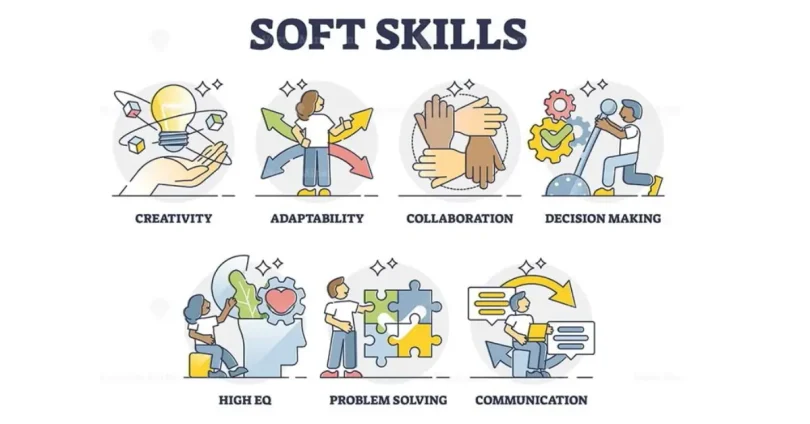

In today’s competitive job market, technical knowledge alone is no longer enough to achieve long-term career success. Employers increasingly seek individuals who possess strong professional skills, including communication, leadership, problem-solving, and adaptability. Effective professional skills development helps individuals improve workplace performance, advance their careers, and remain valuable in a rapidly changing professional environment.
Whether you are a student, fresh graduate, job seeker, or experienced professional, investing in professional skills development can significantly enhance your career opportunities. Developing the right skills not only improves productivity but also increases confidence and professional credibility.
This guide explores the importance of professional skills, methods for developing them, and strategies for continuous career growth.
What Is Professional Skills Development?
Professional skills development refers to the process of improving abilities that contribute to workplace success and career advancement.
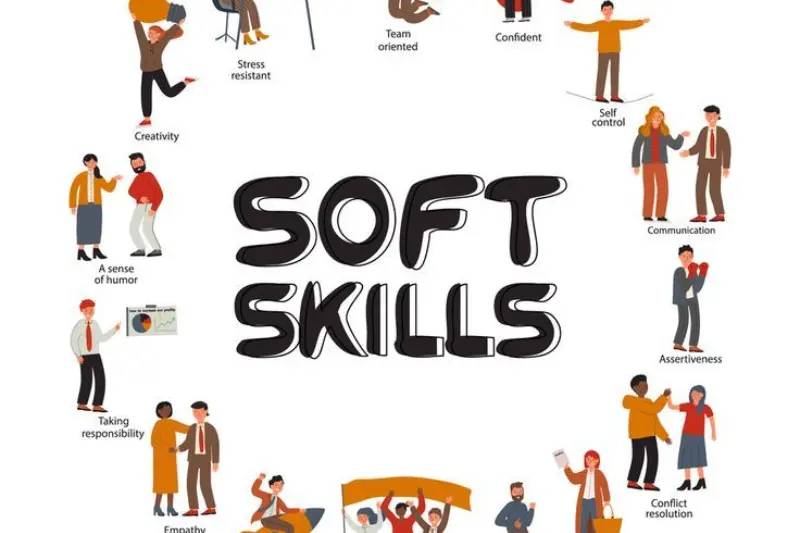
Main Objectives
- Improve job performance
- Enhance communication abilities
- Develop leadership qualities
- Increase productivity
- Support career growth
These skills are valuable across nearly every profession and industry.
Why Professional Skills Development Is Important
The workplace continues to evolve with technological advancements and changing business needs.
Benefits of Professional Skills Development
Better Career Opportunities
Employers prefer candidates with strong professional skills.
Increased Productivity
Efficient work habits improve performance.
Greater Confidence
Skills development strengthens self-assurance.
Career Advancement
Professionals become more competitive for promotions and leadership roles.
These advantages highlight the value of professional skills development for long-term success.
Communication Skills
Communication is one of the most important professional abilities.
Verbal Communication
Clear speaking improves workplace interactions.
Written Communication
Professional emails, reports, and documents require strong writing skills.
Active Listening
Understanding others enhances collaboration and teamwork.
Presentation Skills
Effective presentations help professionals share ideas confidently.
Strong communication is a foundation of successful professional skills development.
You may also like these posts:
Study Notes for Students to Improve Learning Skills
PDF Study Notes Download for Easy Exam Preparation
Free Study Materials Online for Better Learning
Learning Materials for Exams to Boost Academic Success
Leadership Skills
Leadership is valuable even for individuals who are not in management positions.
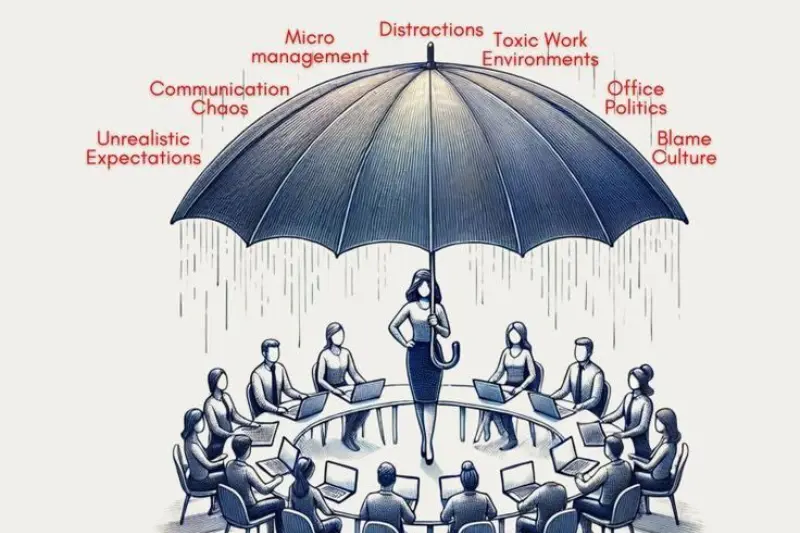
Important Leadership Qualities
Decision Making
Leaders make informed and timely choices.
Responsibility
Accountability builds trust and credibility.
Motivation
Inspiring others improves team performance.
Vision
Leaders focus on long-term goals and objectives.
Developing leadership skills supports career progression.
Time Management Skills
Time management helps professionals work efficiently.
Effective Time Management Techniques
Prioritize Tasks
Focus on high-value activities first.
Set Deadlines
Create realistic timelines for tasks.
Avoid Procrastination
Complete important work promptly.
Use Productivity Tools
Digital tools can improve organization.
Time management is an essential component of professional skills development.
Problem-Solving Skills
Organizations value employees who can solve challenges effectively.
Steps to Improve Problem Solving
Identify the Problem
Understand the root cause.
Analyze Possible Solutions
Evaluate different options.
Implement the Best Solution
Take action based on evidence.
Review Results
Assess outcomes and make improvements.
Problem-solving skills improve decision-making and workplace effectiveness.
Teamwork and Collaboration
Most workplaces require cooperation among employees.
Benefits of Teamwork
Better Results
Collaborative efforts often produce stronger outcomes.
Knowledge Sharing
Team members learn from each other.
Increased Efficiency
Tasks can be completed more effectively.
Improved Workplace Relationships
Positive interactions support organizational success.
Teamwork remains a critical aspect of professional growth.
Adaptability and Flexibility
Modern workplaces change rapidly.
Why Adaptability Matters
Technological Changes
New tools and systems are introduced regularly.
Industry Trends
Businesses evolve to meet market demands.
Workplace Challenges
Unexpected situations require flexibility.
Adaptability is becoming increasingly important in professional skills development.
Critical Thinking Skills
Critical thinking helps professionals evaluate information objectively.
Benefits
Better Decision Making
Analyze situations before taking action.
Improved Problem Solving
Develop effective solutions.
Reduced Errors
Careful evaluation minimizes mistakes.
Critical thinking supports professional success in various industries.
Emotional Intelligence
Emotional intelligence involves understanding and managing emotions effectively.
Key Components
Self-Awareness
Recognize personal strengths and weaknesses.
Self-Control
Manage emotions in professional settings.
Empathy
Understand the perspectives of others.
Relationship Management
Build positive workplace connections.
Emotional intelligence contributes to effective leadership and teamwork.
Networking Skills
Professional networking creates valuable opportunities.
Benefits of Networking
Career Opportunities
Connections may lead to job openings.
Industry Knowledge
Learn about market trends and developments.
Professional Support
Build relationships with mentors and colleagues.
Networking is an important part of professional skills development.
Digital Skills
Technology plays a major role in modern workplaces.
Essential Digital Skills
Microsoft Office
Word, Excel, and PowerPoint proficiency.
Online Communication
Use digital collaboration tools effectively.
Data Management
Understand basic data handling techniques.
Internet Research
Locate and evaluate information efficiently.
Digital literacy increases employability across industries.
Professional Ethics
Ethics influence workplace reputation and trust.
Important Ethical Principles
Honesty
Maintain integrity in professional activities.
Accountability
Accept responsibility for actions.
Confidentiality
Protect sensitive information.
Respect
Treat colleagues and clients professionally.
Ethical behavior supports long-term career success.
Continuous Learning
Learning should continue throughout a professional career.
Ways to Continue Learning
Online Courses
Develop new skills conveniently.
Professional Certifications
Enhance qualifications and expertise.
Workshops
Gain practical knowledge and experience.
Industry Publications
Stay updated with current developments.
Continuous learning is a cornerstone of effective professional skills development.
Goal Setting for Professional Growth
Clear goals provide direction.
Types of Goals
Short-Term Goals
Achievable within months.
Medium-Term Goals
Require one to three years.
Long-Term Goals
Support major career achievements.
Goal setting improves motivation and focus.
Building a Professional Development Plan
A development plan helps organize growth efforts.
Key Components
Skills Assessment
Identify strengths and improvement areas.
Learning Objectives
Define specific goals.
Training Activities
Select appropriate courses and resources.
Progress Tracking
Monitor achievements regularly.
A structured plan supports continuous improvement.
Common Mistakes to Avoid
Ignoring Soft Skills
Technical expertise alone is not enough.
Lack of Consistency
Development requires ongoing effort.
Avoiding Feedback
Constructive feedback supports improvement.
Neglecting Networking
Professional relationships are valuable career assets.
Avoiding these mistakes enhances development efforts.
Future Trends in Professional Skills Development
The workplace continues evolving.
Emerging Skill Areas
Artificial Intelligence Literacy
Understanding AI technologies.
Data Analysis
Interpreting information effectively.
Cybersecurity Awareness
Protecting digital assets.
Remote Collaboration
Working effectively in virtual environments.
Professionals who adapt to these trends will remain competitive.
Frequently Asked Questions
What is professional skills development?
Professional skills development is the process of improving workplace-related abilities such as communication, leadership, problem-solving, and teamwork.
Why is professional skills development important?
It improves job performance, increases career opportunities, and supports long-term professional growth.
Which professional skills are most important?
Communication, leadership, time management, teamwork, adaptability, and critical thinking are among the most valuable skills.
4. How can I improve my professional skills?
You can improve skills through training, online courses, workshops, practical experience, and continuous learning.
Does professional skills development help with promotions?
Yes, employees with strong professional skills are often better positioned for career advancement and leadership opportunities.
Conclusion
Effective professional skills development is essential for achieving long-term career success. Communication, leadership, teamwork, problem-solving, adaptability, and continuous learning all contribute to professional growth and workplace effectiveness.
In an increasingly competitive job market, individuals who invest in skill development gain a significant advantage. By setting goals, seeking learning opportunities, and consistently improving their abilities, professionals can enhance their performance, advance their careers, and achieve greater success in their chosen fields.