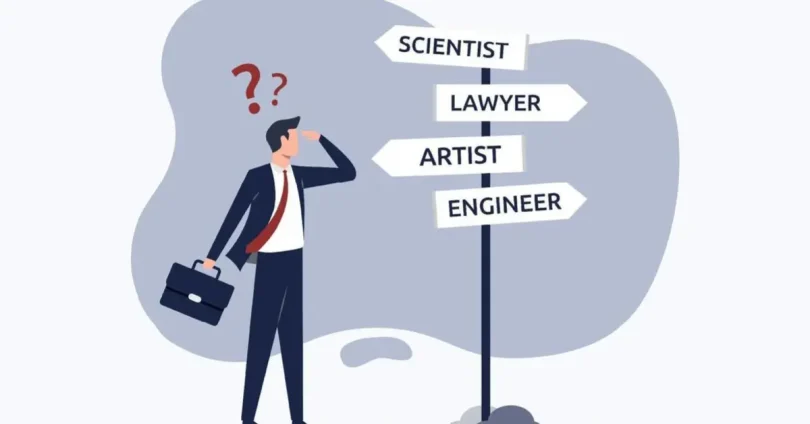

Choosing a career is one of the most important decisions a person will make in life. The right career can provide financial stability, personal satisfaction, and long-term growth opportunities. However, many students and graduates feel confused when deciding on a profession because there are so many options available today.
Understanding how to choose a career requires careful self-assessment, research, and planning. Instead of following trends or copying others, individuals should focus on their interests, strengths, values, and future goals. A well-informed decision can lead to a rewarding professional journey and greater job satisfaction.
This guide explains how to choose a career step by step and provides practical tips for making the right decision.
Why Choosing the Right Career Matters
Your career affects many aspects of your life.

Benefits of Choosing the Right Career
Greater Job Satisfaction
People enjoy work that aligns with their interests.
Better Performance
Passion often leads to higher productivity.
Career Growth
Suitable careers provide advancement opportunities.
Financial Stability
A strong career path can improve long-term earnings.
These benefits highlight the importance of understanding how to choose a career wisely.
Understand Your Interests
The first step is identifying what you genuinely enjoy.
Questions to Ask Yourself
- Which subjects do I enjoy studying?
- What activities make me feel motivated?
- What hobbies do I enjoy most?
- What type of work sounds exciting?
Your interests can provide valuable clues about suitable career paths.
Identify Your Strengths
Understanding your strengths helps match your abilities with career opportunities.
Common Strength Areas
Communication Skills
Suitable for teaching, marketing, journalism, and public relations.
Analytical Skills
Useful in engineering, finance, research, and data science.
Creativity
Important for design, content creation, and media careers.
Leadership Skills
Valuable in management and administrative roles.
Recognizing strengths is an essential part of learning how to choose a career.
You may also like these posts:
Study Notes for Students to Improve Learning Skills
PDF Study Notes Download for Easy Exam Preparation
Free Study Materials Online for Better Learning
Learning Materials for Exams to Boost Academic Success
Assess Your Weaknesses
Everyone has areas that require improvement.

Why It Matters
- Helps set realistic goals
- Identifies skills to develop
- Prevents choosing unsuitable careers
Being honest about weaknesses supports better decision-making.
Consider Your Values
Career decisions should align with personal values.
Examples of Career Values
Financial Security
Stable income and benefits.
Work-Life Balance
Flexible schedules and personal time.
Helping Others
Careers in healthcare, education, or social work.
Creativity
Opportunities for innovation and expression.
Understanding values helps narrow career choices.
Research Different Career Options
Many students make decisions without proper research.
Areas to Explore
Job Responsibilities
Understand daily tasks and duties.
Required Qualifications
Learn educational and training requirements.
Salary Potential
Research earning opportunities.
Career Growth
Evaluate future advancement possibilities.
Research is a crucial step in understanding how to choose a career successfully.
Explore Popular Career Fields
Information Technology
Growing demand and global opportunities.
Career Examples
- Software Developer
- Web Developer
- Cybersecurity Specialist
- Data Analyst
Healthcare
A rewarding field focused on improving lives.
Career Examples
- Doctor
- Nurse
- Pharmacist
- Physiotherapist
Business and Finance
Ideal for individuals interested in management and economics.
Career Examples
- Accountant
- Financial Analyst
- Banker
- Entrepreneur
Education
Suitable for individuals who enjoy teaching and mentoring.
Career Examples
- Teacher
- Lecturer
- Educational Consultant
Exploring multiple fields helps identify the best fit.
Evaluate Educational Requirements
Different careers require different qualifications.
Questions to Consider
- What degree is required?
- Are professional certifications needed?
- How long will the training take?
- What are the associated costs?
Educational planning is an important part of how to choose a career.
Consider Future Job Demand
The job market constantly changes.
Growing Industries
Artificial Intelligence
Demand continues increasing worldwide.
Data Science
Organizations rely heavily on data-driven decisions.
Cybersecurity
Digital security remains a top priority.
Renewable Energy
Sustainability-focused careers are expanding rapidly.
Choosing careers with strong future demand can improve long-term opportunities.
Gain Practical Experience
Experience provides valuable insights into career suitability.
Ways to Gain Experience
Internships
Learn about real workplace environments.
Volunteer Work
Develop skills and explore interests.
Part-Time Jobs
Gain professional exposure.
Freelancing
Build practical expertise.
Experience often clarifies career preferences.
Seek Professional Guidance
Career counselors and mentors can provide valuable advice.
Benefits of Career Guidance
Objective Feedback
Receive unbiased recommendations.
Career Information
Learn about opportunities and requirements.
Goal Setting
Develop realistic career plans.
Professional guidance supports informed decisions.
Develop Essential Skills
Career success depends on continuous skill development.
Important Skills
Communication
Strong speaking and writing abilities.
Time Management
Efficient use of time and resources.
Problem Solving
Ability to handle challenges effectively.
Teamwork
Collaboration with others in professional settings.
Skill development enhances career readiness.
Set Career Goals
Goals provide direction and motivation.
Types of Goals
Short-Term Goals
Objectives achievable within a year.
Medium-Term Goals
Targets requiring several years.
Long-Term Goals
Major career achievements planned for the future.
Goal setting is a key component of how to choose a career effectively.
Avoid Common Career Selection Mistakes
Following Friends or Family Blindly
Choose based on personal interests and goals.
Ignoring Research
Understand career realities before committing.
Focusing Only on Salary
Job satisfaction is equally important.
Neglecting Skill Development
Skills often determine long-term success.
Avoiding these mistakes improves career decisions.
Use Career Assessment Tools
Career assessments can provide useful insights.
Benefits
- Identify strengths
- Explore interests
- Discover suitable professions
- Improve self-awareness
These tools can support the career selection process.
Create a Career Action Plan
Once a career is chosen, create a roadmap.
Steps
Education Planning
Select appropriate courses and qualifications.
Skill Development
Build relevant competencies.
Experience Building
Gain internships and practical exposure.
Networking
Connect with professionals in the field.
An action plan transforms goals into achievable steps.
Stay Flexible
Career paths often evolve over time.
Why Flexibility Matters
- Industries change
- New opportunities emerge
- Interests may develop
Being adaptable helps maintain long-term career success.
Frequently Asked Questions
How do I know which career is right for me?
Evaluate your interests, strengths, values, and long-term goals while researching different career options.
Should salary be the most important factor when choosing a career?
Salary is important, but job satisfaction, growth opportunities, and personal interests should also be considered.
How can internships help with career selection?
Internships provide practical experience and help you understand real workplace environments.
Is it okay to change careers later in life?
Yes, many professionals successfully change careers as their interests and goals evolve.
Why is career planning important?
Career planning helps individuals make informed decisions, develop relevant skills, and achieve long-term professional success.
Conclusion
Understanding how to choose a career involves more than selecting a job title. It requires self-assessment, research, planning, and continuous learning. By identifying interests, evaluating strengths, exploring opportunities, and developing relevant skills, individuals can make informed decisions about their future.
The right career choice can lead to personal fulfillment, financial stability, and professional growth. Taking the time to carefully evaluate options today can create a successful and rewarding future tomorrow.