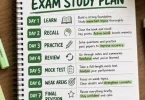

Competitive exams play a crucial role in shaping academic and professional careers. Whether you are preparing for government jobs, university entrance tests, scholarships, banking exams, civil services, or professional certifications, proper preparation is the key to success. Since thousands of candidates compete for limited opportunities, a structured and disciplined approach is essential.
Many students begin studying without a clear strategy, which often leads to confusion, stress, and poor performance. Effective competitive exam preparation requires understanding the exam pattern, building strong subject knowledge, practicing regularly, and managing time efficiently.
This comprehensive guide explains the best methods for competitive exam preparation, helping students improve their chances of achieving excellent results.
What Is Competitive Exam Preparation?

Competitive exam preparation is the process of systematically studying and practicing for examinations where candidates compete for limited positions, admissions, or opportunities.
Common Types of Competitive Exams
- Government job exams
- University entrance tests
- Civil service examinations
- Banking exams
- Teaching eligibility tests
- Professional certification exams
- Scholarship tests
Success depends on both knowledge and preparation strategy.
Why Proper Preparation Is Important
Many candidates have similar educational backgrounds, making preparation quality a major deciding factor.
Benefits of Structured Preparation
Better Understanding
Students learn concepts more effectively.
Improved Confidence
Preparation reduces exam anxiety.
Higher Scores
Organized study improves performance.
Efficient Time Management
Students use available study time wisely.
Strong competitive exam preparation increases the likelihood of success.
Understanding the Exam Pattern
Before starting preparation, understand how the examination works.

Important Details to Analyze
Syllabus
Identify all subjects and topics.
Exam Format
Understand question types.
Marking Scheme
Know how marks are awarded.
Negative Marking
Learn whether incorrect answers reduce scores.
Understanding the structure helps create an effective study plan.
Setting Clear Goals
Goal setting provides direction and motivation.
Effective Goal Examples
- Complete one subject in a month
- Solve 100 practice questions weekly
- Take one mock test every weekend
Clear objectives make preparation more manageable.
You may also like these posts:
Study Notes for Students to Improve Learning Skills
PDF Study Notes Download for Easy Exam Preparation
Free Study Materials Online for Better Learning
Learning Materials for Exams to Boost Academic Success
Creating a Study Plan
A study plan organizes learning activities.
Step 1: Divide the Syllabus
Break large subjects into smaller topics.
Step 2: Allocate Time
Assign study hours to each subject.
Step 3: Include Revision
Reserve time for reviewing completed topics.
Step 4: Schedule Practice Tests
Regular assessments measure progress.
A structured plan is essential for successful competitive exam preparation.
Choosing the Right Study Materials
Quality resources improve learning efficiency.
Recommended Learning Materials
Textbooks
Provide detailed explanations.
Study Notes
Simplify complex topics.
Practice Papers
Improve problem-solving skills.
Mock Tests
Simulate real exam conditions.
Using reliable resources prevents confusion and misinformation.
Building Strong Fundamentals
Most competitive exams test conceptual understanding.
Why Fundamentals Matter
- Improve accuracy
- Enhance problem-solving abilities
- Support advanced learning
Students should focus on understanding concepts before attempting difficult questions.
Subject-Wise Preparation Strategy
Different subjects require different approaches.
General Knowledge
Focus on:
- Current affairs
- History
- Geography
- Politics
- Economics
Mathematics
Practice:
- Arithmetic
- Algebra
- Geometry
- Data interpretation
English
Develop skills in:
- Grammar
- Vocabulary
- Reading comprehension
- Writing
Reasoning
Improve:
- Logical thinking
- Analytical skills
- Problem-solving ability
Balanced preparation across subjects is important.
Time Management Skills
Time management significantly affects exam performance.
Effective Time Management Tips
Prioritize Important Topics
Study high-weightage topics first.
Follow a Schedule
Maintain consistency.
Avoid Procrastination
Complete tasks on time.
Use Short Breaks
Rest periodically to maintain focus.
Strong time management supports effective competitive exam preparation.
Importance of Revision
Revision strengthens memory and understanding.
Revision Benefits
Better Retention
Information remains in memory longer.
Improved Accuracy
Repeated review reduces mistakes.
Increased Confidence
Students feel more prepared.
Revision should be a regular part of every study plan.
Practice Questions and Problem Solving
Practice is essential for exam success.
Advantages of Regular Practice
- Improves speed
- Enhances accuracy
- Builds confidence
- Identifies weak areas
Consistent problem-solving strengthens exam readiness.
Mock Tests and Their Importance
Mock exams replicate actual test conditions.
Benefits
Performance Evaluation
Students measure their progress.
Time Management Practice
Candidates learn to complete papers efficiently.
Error Identification
Mistakes can be corrected before the actual exam.
Mock tests are among the most valuable tools for competitive exam preparation.
Managing Exam Stress
Preparation often involves pressure and anxiety.
Stress Management Tips
Stay Organized
Follow a structured plan.
Take Breaks
Short breaks improve concentration.
Exercise Regularly
Physical activity supports mental well-being.
Maintain Positive Thinking
Confidence improves performance.
Managing stress is just as important as studying.
Healthy Study Habits
Good habits improve productivity.
Recommended Habits
Sleep Properly
Adequate rest improves memory.
Eat Nutritious Foods
Healthy diets support concentration.
Stay Hydrated
Proper hydration boosts mental performance.
Limit Distractions
Focus on study sessions.
Healthy lifestyles contribute to academic success.
Common Mistakes to Avoid
Many candidates reduce their chances of success through avoidable errors.
Common Preparation Mistakes
Ignoring the Syllabus
Students may study irrelevant topics.
Lack of Revision
Information is easily forgotten.
Overloading Resources
Too many materials cause confusion.
Skipping Mock Tests
Candidates miss opportunities to assess performance.
Avoiding these mistakes improves preparation quality.
Using Technology for Preparation
Modern technology provides valuable learning opportunities.
Useful Digital Resources
- Educational apps
- Online courses
- Video lectures
- Practice platforms
Technology makes competitive exam preparation more accessible and flexible.
Last Month Preparation Strategy
The final month is critical.
Focus Areas
Revision
Review all important topics.
Mock Tests
Take exams regularly.
Weak Areas
Improve problem topics.
Time Management
Refine exam strategies.
Avoid learning entirely new subjects during the final stages.
Exam Day Tips
Preparation must be supported by effective exam-day performance.
Before the Exam
- Sleep well
- Arrive early
- Carry required documents
During the Exam
- Read instructions carefully
- Manage time wisely
- Attempt easy questions first
- Stay calm and focused
Good exam-day habits can improve results significantly.
Long-Term Benefits of Competitive Exam Preparation
Even beyond exam success, preparation develops valuable life skills.
Skills Gained
- Discipline
- Time management
- Critical thinking
- Problem-solving
- Self-confidence
These skills remain useful throughout academic and professional careers.
Frequently Asked Questions
How should beginners start competitive exam preparation?
Beginners should first understand the syllabus, analyze the exam pattern, gather study materials, and create a realistic study plan.
How many hours should I study daily for competitive exams?
Study hours vary by individual goals, but consistency and quality of study are more important than the number of hours.
Why are mock tests important?
Mock tests help improve time management, identify weaknesses, and build confidence before the actual examination.
What is the best way to revise for competitive exams?
Regular revision through notes, summaries, practice questions, and mock tests is highly effective.
Can competitive exams be cleared through self-study?
Yes, many candidates successfully clear competitive exams through disciplined self-study combined with quality learning resources and consistent practice.
Conclusion
Effective competitive exam preparation requires planning, consistency, discipline, and smart study techniques. Understanding the syllabus, creating a structured study plan, using quality resources, practicing regularly, and managing stress are all essential components of success.
While competitive exams can be challenging, students who prepare strategically and remain committed to their goals greatly increase their chances of achieving excellent results. With dedication and the right approach, success becomes an attainable objective rather than a distant dream.