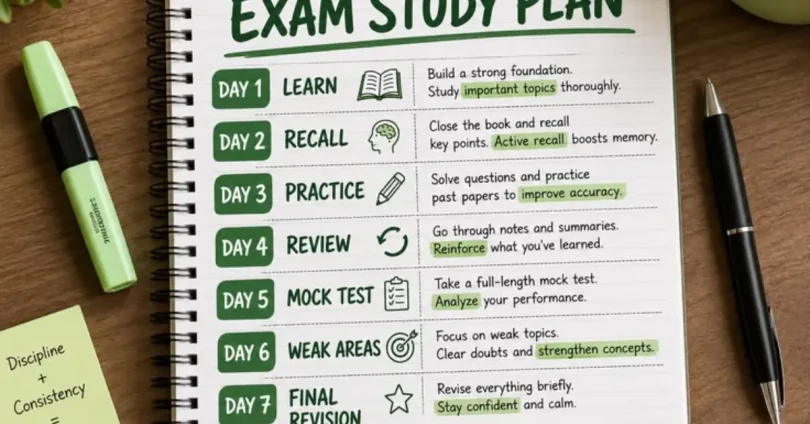

A well-structured exam preparation study plan can make the difference between average performance and outstanding results. Many students work hard but fail to achieve their goals because they do not follow a clear study strategy. An organized approach helps students manage time effectively, cover the syllabus completely, and reduce exam stress.
Whether you are preparing for school exams, university tests, competitive examinations, or professional certifications, a proper exam preparation study plan ensures that every subject receives adequate attention. This guide explains how to create and follow an effective study plan that leads to better learning and higher scores.
What Is an Exam Preparation Study Plan?
An exam preparation study plan is a structured schedule that outlines what, when, and how you will study before an examination.
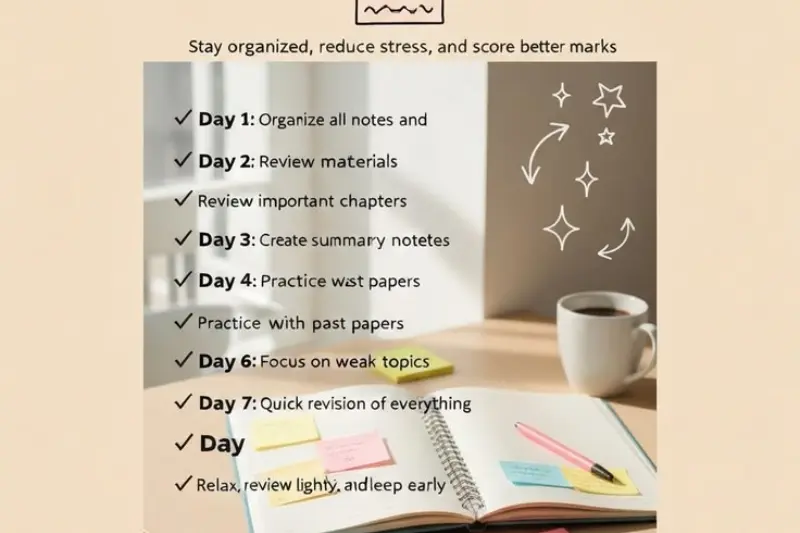
Main Objectives
- Complete the syllabus on time
- Improve understanding
- Strengthen memory retention
- Manage study time efficiently
- Reduce exam anxiety
A good plan helps students stay focused and organized throughout their preparation.
Why an Exam Preparation Study Plan Is Important
Many students begin studying without clear direction.
Benefits of Following a Study Plan
Better Time Management
Students know exactly what to study each day.
Improved Productivity
Less time is wasted deciding what to do next.
Balanced Preparation
All subjects receive proper attention.
Reduced Stress
Preparation becomes more manageable and predictable.
These advantages make an exam preparation study plan essential for academic success.
Step 1: Understand the Exam Requirements
Before creating a schedule, understand the examination thoroughly.
Important Information to Collect
Syllabus
Identify all topics that will be tested.
Exam Pattern
Understand question formats and marking schemes.
Subject Weightage
Focus on high-scoring sections.
Important Topics
Identify frequently tested concepts.
Understanding these details helps create an effective strategy.
Step 2: Set Clear Study Goals
Goals provide motivation and direction.
Examples of Study Goals
- Complete one chapter daily
- Finish a subject within two weeks
- Solve 50 practice questions per day
- Revise completed topics every weekend
Clear goals improve consistency and accountability.
You may also like these posts:
Educational Resources for Students to Enhance Learning
Subject Wise Study Notes for Better Exam Preparation
Study Notes for Students to Improve Learning Skills
PDF Study Notes Download for Easy Exam Preparation
Step 3: Create a Daily Study Schedule
A daily routine forms the foundation of a successful exam preparation study plan.
Morning Session
Focus on difficult subjects when concentration is highest.
Afternoon Session
Study moderate-difficulty topics.
Evening Session
Practice questions and problem-solving exercises.
Night Revision
Review topics covered during the day.
Following a daily routine improves learning efficiency.
Step 4: Prioritize Important Subjects
Not all subjects require equal attention.
High-Priority Subjects
Allocate more study time to:
- Difficult subjects
- High-weightage topics
- Weak areas
Lower-Priority Subjects
Maintain regular review without neglecting them.
Prioritization ensures balanced preparation.
Step 5: Divide Large Topics into Smaller Sections
Large chapters often feel overwhelming.
Benefits of Breaking Topics Down
- Easier understanding
- Better focus
- Faster completion
- Improved motivation
Small goals make progress easier to track.
Effective Time Management Techniques
Time management is crucial in any exam preparation study plan.

Use Time Blocks
Study in focused sessions.
Avoid Multitasking
Concentrate on one topic at a time.
Set Deadlines
Complete tasks within specific timeframes.
Track Progress
Monitor completed topics regularly.
Efficient time management improves productivity significantly.
Importance of Revision
Revision strengthens memory and understanding.
Daily Revision
Review notes from the same day.
Weekly Revision
Revisit all completed topics.
Monthly Revision
Conduct comprehensive reviews.
Regular revision should be a major component of every exam preparation study plan.
Use Active Learning Techniques
Passive reading is often ineffective.
Active Recall
Test yourself without looking at notes.
Practice Questions
Apply knowledge through exercises.
Self-Assessment
Evaluate understanding regularly.
Teaching Others
Explaining concepts improves retention.
Active learning increases long-term memory.
Study Materials You Need
Quality resources improve preparation efficiency.
Recommended Resources
Textbooks
Provide detailed explanations.
Study Notes
Simplify revision.
Past Papers
Reveal exam trends.
Mock Tests
Simulate real exam conditions.
Using reliable materials supports effective learning.
Importance of Practice Tests
Practice tests prepare students for actual exams.
Benefits
Improve Time Management
Learn to answer questions efficiently.
Build Confidence
Reduce exam fear.
Identify Weak Areas
Discover topics requiring improvement.
Practice testing is a valuable part of an exam preparation study plan.
Managing Exam Stress
Stress can negatively affect performance.
Stress Reduction Tips
Stay Organized
Follow your study schedule consistently.
Take Short Breaks
Rest improves concentration.
Exercise Regularly
Physical activity supports mental health.
Sleep Well
Proper sleep improves memory and focus.
Managing stress helps maintain productivity.
Healthy Habits for Better Performance
Academic success depends on overall well-being.
Recommended Habits
Balanced Diet
Supports brain function.
Hydration
Improves concentration.
Regular Sleep
Enhances learning and memory.
Limited Distractions
Maintain a focused study environment.
Healthy habits complement your study efforts.
Common Mistakes to Avoid
Many students make mistakes that reduce effectiveness.
Avoid These Errors
Cramming
Last-minute studying reduces retention.
Ignoring Revision
Information is quickly forgotten.
Overloading Resources
Too many materials create confusion.
Lack of Practice
Knowledge must be applied regularly.
Avoiding these mistakes strengthens your exam preparation study plan.
Sample Weekly Study Plan
Monday to Friday
- Learn new topics
- Complete exercises
- Review notes
Saturday
- Solve practice papers
- Focus on weak areas
Sunday
- Revise all subjects studied during the week
A weekly structure helps maintain consistency.
Last Month Before Exams
The final month requires special focus.
Priorities
Revision
Review all important topics.
Mock Tests
Practice under exam conditions.
Weak Subjects
Strengthen difficult areas.
Time Management
Improve speed and accuracy.
A focused final month can significantly improve results.
Exam Day Preparation
Preparation continues until exam day.
Before the Exam
- Sleep early
- Prepare required materials
- Review key notes briefly
During the Exam
- Read instructions carefully
- Manage time wisely
- Attempt easy questions first
Confidence and preparation go hand in hand.
Frequently Asked Questions
What is an exam preparation study plan?
An exam preparation study plan is a structured schedule that helps students organize their studies and prepare effectively for examinations.
How early should I start my exam preparation study plan?
Starting several weeks or months before exams provides enough time for learning, practice, and revision.
How many hours should I study daily?
The ideal number varies, but consistency and focused study sessions are more important than total hours.
Why is revision important in an exam preparation study plan?
Revision strengthens memory, improves understanding, and helps students retain information for longer periods.
Can a study plan reduce exam stress?
Yes, a structured plan improves organization, prevents last-minute cramming, and increases confidence before exams.
Conclusion
An effective exam preparation study plan helps students stay organized, improve productivity, and achieve better academic results. By setting goals, managing time efficiently, revising regularly, and practicing consistently, students can prepare with confidence and reduce exam-related stress.
Success is not determined by how many hours you study but by how effectively you use those hours. Following a structured exam preparation study plan can help you maximize your potential and perform at your best in any examination.